Revealing Worldwide Communication: The Potential of Artificial Intelligence Language Translation
Envision walking through a bustling market in a foreign nation, yet you can effortlessly communicate with native residents with the help of AI language translation tools. These advancements not only bridge language divides but also create new prospects. As you explore how these technologies work and their influence on multiple sectors, you'll learn about the intricacies that make them vital in today's global world. What challenges lie ahead in refining this technology?
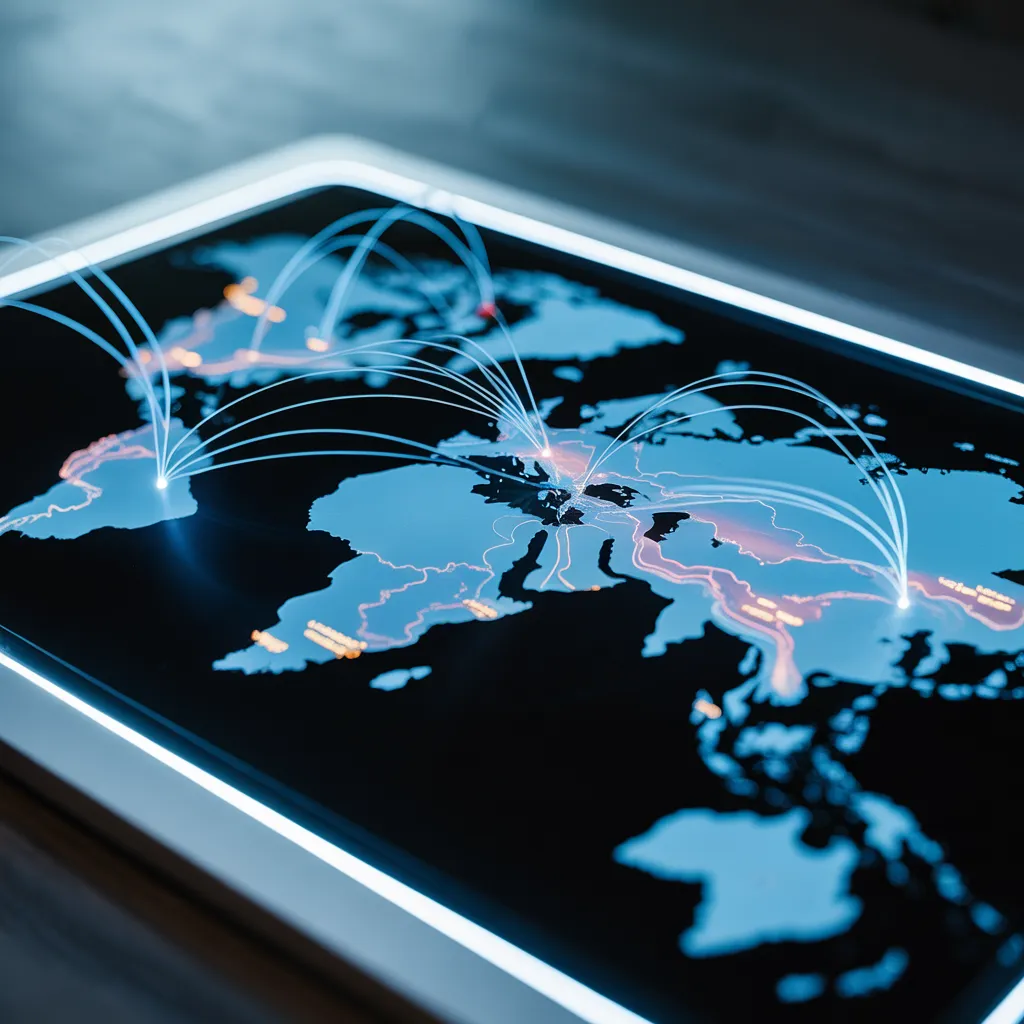
What's AI Language Translation?
AI-powered language translation describes the use of AI-powered systems to convert text or speech from one language to another. You may encounter these tools in numerous applications, such as translation apps, chatbots, and virtual assistants. They analyze massive amounts of data to interpret context and grammar, making translations more accurate and natural. You enjoy faster, real-time translations, helping you communicate easily across language barriers. These systems leverage machine learning and neural networks, steadily advancing their capabilities as they process more data. With AI language translation, you can obtain information and connect with people globally, enhancing your understanding of different cultures and ideas. Utilizing this technology opens up a world of opportunities for both personal and professional growth.
How AI Translation Tools Break Down Communication Barriers
Artificial intelligence translation platforms help you engage effortlessly across multiple languages, removing hurdles that formerly felt impossible to overcome. They go beyond mere word translation to understand cultural distinctions and contextual significance, guaranteeing your communication connects with varied audiences. This capability opens up enhanced business opportunities, enabling you to engage with customers and collaborators globally.
Real-Time Language Transformation
While you traverse an increasingly connected world, the capacity to communicate across languages has never been more important. AI translation tools present instant language conversion, breaking down barriers like never before. When you utilize these tools, you can send messages, understand documents, and take part in conversations without the hassle of traditional translation methods. The speed at which AI processes language empowers you to connect with people from different cultures seamlessly. Rather than waiting days for a translator, you get quick responses, strengthening collaboration and fostering relationships. Whether you're traveling, working internationally, or simply exploring new cultures, these AI tools empower you to bridge communication gaps smoothly. Embrace this technology, and access a world of opportunities at your fingertips.
Cultural Subtleties and Context
While traditional translation strategies frequently miss cultural differences, contemporary translation platforms are built to detect and adapt to context, rendering communication more efficient. These machine learning-driven solutions understand that copyright possess diverse meanings according to cultural backgrounds. They examine idioms, slang, and local practices, confirming that your message engages the target audience.
By using these tools, you're not just converting text; you're spanning cultural barriers. This ability helps you avoid confusion that could result from literal translations. By embracing the nuances of language, AI tools allow you to express ideas accurately, fostering deeper connections. With these advancements, you can communicate with confidence, knowing your message preserves its intended meaning across diverse cultures.
Elevated Corporate Chances
Breaking down communication barriers unlocks a world of enhanced business opportunities. With AI translation tools readily available, you can connect with clients and partners internationally, regardless of language variations. Imagine seamlessly negotiating deals in real-time or collaborating on projects without the frustration of miscommunication. These tools permit you to localize your marketing strategies, guaranteeing your message resonates with diverse audiences. You'll acquire insights into new markets, helping you to tailor your offerings to meet specific needs. Plus, as you build trust and rapport with international stakeholders, your brand's reputation will expand. Embracing AI translation not only facilitates communication but also positions your business for success in an increasingly interconnected world.
AI Translation Across Business, Travel, and Cultural Sectors
When you investigate AI translation, you'll discover how it provides business expansion opportunities across borders. It also improves travel experiences, making it more straightforward to engage with locals and experience new cultures. Let's consider how these advancements transform the way we interact in these areas.
Enterprise Growth Possibilities
AI-powered translation unlocks remarkable business growth possibilities by eliminating language barriers that previously limited global interaction. With AI translation technology, you can readily communicate with potential clients and partners internationally, making it simpler to enter new markets. Imagine launching your product in a foreign country without the worry of miscommunication; AI translation confirms your marketing materials resonate with local audiences. You'll also find it easier to adapt your business strategies based on regional preferences and trends. This technology supports real-time conversations, allowing for quicker negotiations and stronger relationships. By implementing AI translation, you're not just expanding your reach; you're boosting your business's ability to thrive in a global marketplace. Don't miss out on these opportunities!
Improving Journey Encounters
How might AI translation transform your travel experiences? Picture exploring a bustling market in Thailand or ordering a delicious meal in Italy without language barriers. AI translation applications, such as real-time apps, enable you to communicate seamlessly with locals, enriching your cultural immersion. You can seek directions, negotiate prices, or explore traditions, all while feeling assured in your interactions.
Additionally, AI translation enables you to navigate signs, menus, and travel documents, making sure you capture all essential details. You'll discover that even basic conversations can lead to unforgettable memories and connections. Utilizing AI translation not only elevates your journey but also promotes understanding and appreciation for the diverse cultures you meet along the way.
Benefits of Leveraging AI Language Translation
Language barriers can be a substantial obstacle in our connected world, but AI language translation offers a effective solution. You can effortlessly communicate with individuals from various cultures, cultivating relationships and broadening your network. This technology delivers fast translations, saving you time and eliminating misunderstandings in conversations. Whether you're traveling, working, or informative guide studying abroad, AI translation tools assist you move through new environments with confidence. Plus, they're consistently improving, adjusting to context and slang for more precise results. By using AI language translation, you not only improve your personal experiences but also gain access to a wealth of information and perspectives from around the globe. Ultimately, it enables you to connect, learn, and grow in ways you might not have thought possible.
Challenges Facing AI Language Translation
Although AI language translation provides several perks, it also faces significant challenges that can influence its effectiveness. One major concern is context; AI often struggles to understand nuances, idioms, or cultural references, causing awkward or incorrect translations. Furthermore, languages are constantly evolving, and keeping translation models updated is an daunting task. You'll discover that specialized jargon in fields like law or medicine can perplex AI, resulting in inaccuracies. Privacy concerns arise, too, as users may hesitate to share sensitive information with translation tools. Ultimately, reliance on AI can reduce human translator skills, as fewer people practice language proficiency. Resolving these challenges is vital to verify AI translation remains a reliable tool for global communication.
Upcoming Developments in AI Translation
As progress in AI technology keep advancing, the future of AI translation looks promising with numerous emerging trends shaping its evolution. You'll notice a significant push towards real-time translation, creating communication seamless across languages during conversations or video calls. Moreover, personalization will play an essential role, where AI adapts translations based on individual preferences and context. Enhanced cultural sensitivity will also emerge, permitting translations to reflect regional nuances more accurately. Additionally, integration with other technologies like augmented reality will enhance user experiences, enabling instant translations of written text in the real world. As these trends unfold, you'll find that AI translation becomes even more streamlined and user-friendly, eliminating language barriers like never before.
Guidelines for Selecting the Right AI Translation Tool
Picking the right AI translation tool can appear daunting with so many options available. Start by pinpointing your specific needs. Are you transforming documents, websites, or live conversations? Consider the languages you require support for, as not all tools support the same range. Search for user-friendly interfaces; you want something straightforward that won't waste your time. Look for features like context recognition and tone adjustments, as these can significantly improve accuracy. Review reviews and evaluate pricing plans to find a balance between affordability and functionality. Lastly, utilize free trials to test how well the tool fulfills your needs before making a commitment. With the right approach, you'll locate a translation tool that enhances your global communication efforts.
Frequently Asked Questions
Can AI Translation Effectively Handle Idiomatic Expressions?
AI translation can struggle with idiomatic expressions, but it's getting better. You'll discover that while some expressions are translated precisely, others could fail to capture their real meaning, so it's wise to double-check translations for context.
How Protected Is My Data When Using AI Translation Tools?
The security of your data with AI translation tools depends on the provider. Most implement encryption and privacy safeguards, but checking their policies is essential. Always exercise caution and consider alternatives if you're concerned about data safety.
Does AI Translation Have Accuracy Limitations?
Indeed, limitations exist in AI translation accuracy. Cultural nuances, context, and idiomatic phrases frequently get lost in translation. While AI can assist, it can't fully replace human understanding and the subtleties of language.
Can Artificial Intelligence Translate Dialects and Regional Variations?
While AI can handle dialect and regional variation translation, the precision fluctuates. Certain nuances could be lost in the translation process, so output verification is important, most notably for unusual dialects or regional phrases.
How Does AI Translation Learn and Improve Over Time?
Machine translation learns and progresses by evaluating massive quantities of text data, identifying patterns, and obtaining user feedback. As it works with more languages, it modifies and perfects its accuracy, enhancing your translation experience continuously.